Rice is one of China's four main staple crops and an important target crop on the pesticide market. Although pesticides for rice account for less than 10% of the global crop protection market, the range of products is rich, new products keep being launched and many more are in development, ensuring effective control of pests, diseases and weeds in rice.
1 Global leading products and crop protection markets
1.1 Overview of the global pesticide market
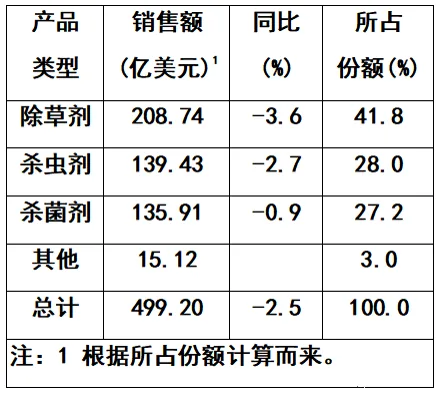
Within the US$49.920 billion global crop protection market of 2016, herbicides accounted for 41.8%, insecticides for 28.0% and fungicides for 27.2%.
Table 1 Market share of crop protection products by category, 2016
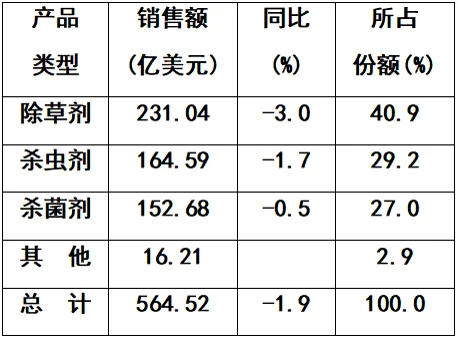
Within the US$56.452 billion global pesticide market of 2016 (including non-crop uses), the shares of herbicides, insecticides and fungicides were 40.9%, 29.2% and 27.0% respectively.
Table 2 Pesticide market by category, 2016 (crop and non-crop)
1.2 Global leading products
1.2.1 Global leading herbicides
In 2016, the world's top 15 herbicides were, in order: glyphosate (US$4.408 billion), glufosinate (US$660 million), mesotrione (US$650 million), paraquat (US$610 million), S-metolachlor (US$590 million), 2,4-D (US$585 million), atrazine (US$560 million), acetochlor (US$420 million), pinoxaden (US$390 million), pendimethalin (US$355 million), flumioxazin (US$350 million), clomazone (US$300 million), dicamba (US$270 million), clethodim (US$260 million) and picloram (US$260 million). Their combined sales totalled US$10.668 billion, 46.2% of the global herbicide market (including non-crop uses; the same below).
Among them, glufosinate (+10.8%) and flumioxazin (+19.3%) both had compound annual growth rates above 10.0% over 2011-2016. HPPD-inhibitor herbicides have grown well in recent years and, through tank mixes and mixtures, have driven good growth for triazine herbicides such as atrazine. Benefiting from the control of glyphosate-resistant weeds, the development of new formulations and the promotion of GM crops, the market for dicamba also achieved good growth.
1.2.2 Global leading insecticides
In 2016, the world's leading 15 insecticides included: chlorantraniliprole (US$1.365 billion), thiamethoxam (US$1.060 billion), imidacloprid (US$1.020 billion), chlorpyrifos (US$670 million), lambda-cyhalothrin (US$595 million), fipronil (US$495 million), acephate (US$465 million), flubendiamide (US$443 million), abamectin (US$430 million), clothianidin (US$380 million), deltamethrin (US$325 million), cypermethrin (US$310 million), spinosad (US$310 million), bifenthrin (US$280 million) and acetamiprid (US$250 million). Their combined sales totalled US$8.398 billion, 51.0% of the global insecticide market.
Among these leading insecticides, only chlorantraniliprole (+15.1%), acephate (+10.3%) and flubendiamide (+24.2%) had compound annual growth rates above 10.0% over 2011-2016.
1.2.3 Global leading fungicides
In 2016, the world's top 15 fungicides were, in order: azoxystrobin (US$1.270 billion), prothioconazole (US$790 million), pyraclostrobin (US$765 million), mancozeb (US$665 million), trifloxystrobin (US$640 million), tebuconazole (US$575 million), copper fungicides (US$560 million), epoxiconazole (US$490 million), cyproconazole (US$450 million), fluxapyroxad (US$410 million), metalaxyl (US$340 million), boscalid (US$330 million), chlorothalonil (US$330 million), picoxystrobin (US$320 million) and benzovindiflupyr (US$300 million). Their combined sales totalled US$8.235 billion, 53.9% of the global fungicide market.
Among them, only picoxystrobin (+14.9%) had a compound annual growth rate above 10.0% over 2011-2016. Fluxapyroxad and benzovindiflupyr are both new-generation SDHI fungicides whose markets have expanded rapidly in recent years. Azoxystrobin has held the top spot among fungicides for many years, with a quite prominent leading position; prothioconazole successfully overtook pyraclostrobin to become the world's second-largest fungicide.
1.3 Crop protection markets by crop segment
Among the more than 10 crop segments of the global crop protection market in 2016, fruit and vegetables (US$12.609 billion) held a clearly leading share of 25.3%; followed in order by cereals (US$7.858 billion), soybean (US$7.783 billion), maize (US$5.637 billion), rice (US$4.844 billion), cotton (US$2.451 billion), oilseed rape (US$1.721 billion), sugarcane (US$1.436 billion), sugar beet (US$588 million) and sunflower (US$498 million).
Among the world's leading crop protection markets, cereal herbicides (US$3.948 billion), maize herbicides (US$3.871 billion) and soybean herbicides (US$3.054 billion) ranked in the top three. Cereal fungicides (US$2.853 billion), soybean insecticides (US$2.479 billion) and soybean fungicides (US$2.203 billion) all had sales between US$2.000 and 3.000 billion.
2 Rice pesticide market and planted area
2.1 Rice pesticide market
In 2016, global sales of pesticides for rice were US$4.844 billion, 9.7% of the global crop protection market, up 1.8% year on year, with a compound annual growth rate of -1.3% over 2011-2016.
The leading countries in the rice pesticide market were, in order: Japan (US$1.119 billion), China (US$1.037 billion), India (US$547 million), Vietnam (US$300 million), South Korea (US$208 million), Brazil (US$179 million), the United States (US$179 million) and Thailand (US$165 million).
In the 2016 rice pesticide market, herbicide sales were US$1.988 billion (41.0%), insecticide sales US$1.693 billion (35.0%), fungicide sales US$1.056 billion (21.8%) and others US$107 million (2.2%).
2.2 Rice planted area
Rice is widely grown in temperate and tropical countries; in 2016 the global rice planted area was 160.1 million hectares, up 0.8% year on year, and the area remained basically stable over 2011-2016.
The world's leading rice-growing countries were, in order: India (43.0 million ha), China (30.2 million ha), Indonesia (12.2 million ha), Bangladesh (11.7 million ha), Thailand (10.2 million ha), Vietnam (7.7 million ha), Myanmar (7.0 million ha) and the Philippines (4.7 million ha).
3 Rice herbicide market
3.1 General overview
In 2016, global sales of rice herbicides were US$1.988 billion, up 3.1% year on year, with a compound annual growth rate of -1.7% over 2011-2016.
Japan is the largest country market for rice herbicides, with 2016 sales of US$584 million, 29.4% of the global rice herbicide market. It was followed in order by: China (US$378 million), the United States (US$139 million), India (US$105 million), Brazil (US$89 million), Europe (US$83 million) and South Korea (US$46 million).
In 2016, the top ten products in the global rice herbicide market included: cyhalofop-butyl, butachlor, penoxsulam, pretilachlor, glyphosate, pyraclonil, quinclorac, bispyribac-sodium, propanil and bensulfuron-methyl.
3.2 Major rice herbicide markets
3.2.1 Japan
In 2016, Japan's rice herbicide market was US$585 million, up 9.1% year on year. In yen terms, sales were 63.5 billion yen, down 2.1% year on year and continuing below the peak of 70.2 billion yen set in 1993.
The main difficult-to-control weeds in Japanese rice production include annual weeds such as barnyardgrass (Echinochloa crus-galli var. orizicola), smallflower umbrella sedge (Cyperus difformis), heteranthera (Monochoria vaginalis var. plantaginea), Indian toothcup (Rotala indica var. uliginosa), false pimpernel (Lindernia procumbens), Dopatrium junceum, Elatine triandra var. pedicellata and Ammannia multiflora; and perennial weeds such as Eleocharis acicularis var. longiseta, Scirpus juncoides, Sagittaria pygmaea, Alisma canaliculatum, Cyperus serotinus, Sagittaria triforia, Eleocharis kuroguwai, Potamogeton distinctus, Oenanthe javanica and Scirpus nipponicus.
Large granules are one of the technological advances in Japanese rice herbicides, first developed by Sankyo. The first large granule launched on the market was the three-way mixture Kusatory Ace Jumbo, based on bensulfuron-methyl, cafenstrole and dimepiperate; there are now many large-granule mixtures on the Japanese market.
Among large granules and one-shot herbicides, the leading products for controlling grass weeds include: fentrazamide, cyhalofop-butyl, oxaziclomefone, pyrimisulfan and cafenstrole; the leading products for controlling broadleaf weeds and with a cross-spectrum include: pyraclonil, pretilachlor, bensulfuron-methyl, imazosulfuron and pentoxazone.
Previously, the Japanese rice herbicide market (in yen) grew well and set an all-time record in 1993. But after the General Agreement on Tariffs and Trade (GATT) took effect in 1996, Japan's rice market was forced open, imported rice hit the market and the government compulsorily reduced the rice planted area. From 1994 the Japanese rice herbicide market declined, in line with the fall in rice planted area and rice prices. Since 2000 the market has been in an overall recovery phase.
3.2.2 China
In 2016, China's rice herbicide market was US$378 million, down 6.9% year on year. Price increases and higher use of some products effectively halted the decline - for example price rises for butachlor, penoxsulam, quinclorac, anilofos and bensulfuron-methyl, and increased use of cyhalofop-butyl and oxadiazon.
3.2.3 South Korea
South Korea's rice market is similar to Japan's, with advanced one-shot herbicides dominating. In 2016 South Korea's rice herbicide market fell 4.0% year on year to 53.2 billion won. Leading products include: benzobicyclon, penoxsulam, butachlor, imazosulfuron, fentrazamide, pyrazosulfuron-ethyl, pretilachlor, flucetosulfuron, oxadiazon and oxadiargyl.
3.2.4 United States
Although the rice planted area in the United States is only 0.8% of the global rice area, it is the world's third-largest rice herbicide market. In 2016, US rice herbicide sales were US$139 million, up 31.4% year on year. Some older products, especially propanil and clomazone, still hold a large market share; other relatively large products include: imazethapyr, quinclorac, halosulfuron-methyl, cyhalofop-butyl, thiobencarb, bispyribac-sodium, triclopyr and pyrimisulfan. In recent years the PPO-inhibitor herbicide saflufenacil, whose market has grown relatively fast, has been used on rice in the United States.
The United States is expected to become the first market for herbicide-tolerant GM rice; Roundup Ready rice is under development.
In 2018, BASF launched on a small scale in the United States the non-GM quizalofop-tolerant Provisia rice system, its second non-GM herbicide-tolerant rice launched in the United States after Clearfield rice, which tolerates imidazolinone herbicides and was launched 15 years earlier. The effective integration of the Provisia and Clearfield rice systems is a major BASF innovation, enabling growers to alternate herbicides with different modes of action (ALS, ACCase) for sustainable control of weedy rice, red rice and annual weeds. Once Provisia and Clearfield rice are widely adopted, they will drive the broad use of imidazolinone herbicides and quizalofop on rice.
3.3 R&D in rice herbicides
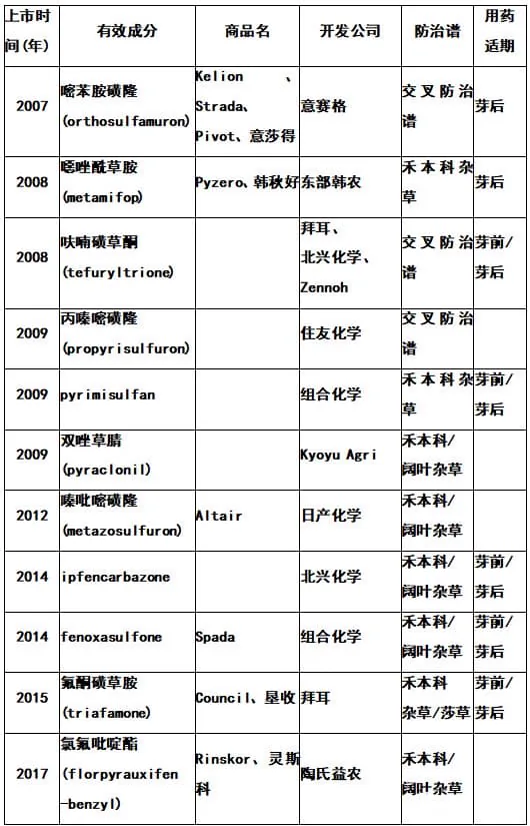
For many years, rice herbicides were led by broad-spectrum products such as 2,4-D, butachlor and propanil, which still hold important market positions in some countries. However, the launch of DuPont's sulfonylurea herbicides, especially that of bensulfuron-methyl in 1984, brought revolutionary change to the rice herbicide market.
The success of sulfonylurea herbicides not only led to the development of a large number of products of the same class, but also to a great many products for the weed control that these products could not handle. Among the products developed, many were grass-weed herbicides or herbicides with a cross-spectrum.
Since 1990, many herbicides for controlling grass weeds have been launched, such as Dow AgroSciences' cyhalofop-butyl, Sumitomo Chemical's cafenstrole, Kumiai Chemical's pyriminobac-methyl, BASF's profoxydim, Bayer's fentrazamide, Rhone-Poulenc's oxaziclomefone, Syngenta's pyriftalid, Dongbu Hannong's metamifop and Kumiai Chemical's pyrimisulfan.
Among products with a cross-spectrum, many herbicides have high biological activity, such as Tokuyama Soda's thenylchlor, LG Chem's pyribenzoxim, Kumiai Chemical's bispyribac-sodium, Nihon Nohyaku's pentoxazone, SDS Biotech's benzobicyclon, Dow AgroSciences' penoxsulam, Isagro's orthosulfamuron, the tefuryltrione developed by Bayer and others, Sumitomo Chemical's propyrisulfuron, Kyoyu Agri's pyraclonil, Nissan Chemical's metazosulfuron, Hokko Chemical's ipfencarbazone, Kumiai Chemical's fenoxasulfone, Bayer's triafamone and Dow AgroSciences' florpyrauxifen-benzyl.
Over the past 10 years, more than 10 rice herbicides have been launched (Table 3).
Table 3 Major rice herbicides launched in 2007-2017
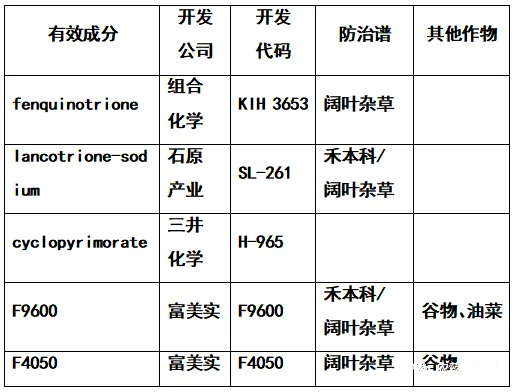
At present, several rice herbicides are also under development (Table 4).
Table 4 Rice herbicides under development worldwide
3.4 Outlook for the rice herbicide market
Rice is an important food crop and the main dietary component of about 60% of the world's population. Regions where rice is the staple food tend to have faster population growth, so the need to increase rice output in the future remains clear, driving growth of the rice herbicide market.
After comprehensively considering the many factors affecting the rice herbicide market (such as planted area, rice prices, market inventory and currency exchange rates), Phillips McDougall forecasts that by 2021 the global rice herbicide market will grow to US$2.326 billion, a compound annual growth rate of 3.2% over 2016-2021 (based on 2016 exchange rates).
4 Rice insecticide market
4.1 General overview
In 2016, global sales of insecticides for rice were US$1.693 billion, up 0.4% year on year, with a compound annual growth rate of -1.0% over 2011-2016.
In the global rice insecticide market, China ranks first, with 2016 sales of US$482 million, 28.5% of the global rice insecticide market. It was followed in order by: India (US$297 million), Japan (US$259 million), Vietnam (US$112 million), South Korea (US$84 million), Indonesia (US$73 million) and Thailand (US$58 million).
In 2016, the top ten products among global rice insecticides were, in order: imidacloprid, chlorpyrifos, chlorantraniliprole, cartap, fipronil, acephate, thiamethoxam, buprofezin, dinotefuran and carbofuran.
4.2 Main insect pests on rice
Many insect pests affect rice production, and the importance of pests varies considerably between markets. Brown planthopper and small brown planthopper affect the great majority of rice-growing areas, while stem borers and leaf folders are especially severe in certain regions. In addition, rice cultivation is also harmed by many pentatomid bugs, mites, caterpillars, beetles and rootworms.
4.3 Major rice insecticide markets
4.3.1 Japan
In 2016, Japanese sales of rice insecticides were US$259 million, up 8.8% year on year. Japan's intensive rice cultivation makes it prone to pest attack, especially damage by brown planthopper, small brown planthopper, white-backed planthopper, rice water weevil and rice bugs.
The launch of imidacloprid brought revolutionary change to the Japanese rice insecticide market. Imidacloprid is used in seedling boxes to control planthoppers, weevils and beetles, with a residual effect of up to 60 days, effectively reducing the need to use the corresponding insecticides in the middle of the growing season.
The successful development of seedling-box treatments led to a steady stream of competing products. The first mixture launched was Dr Oryzae Prince (probenazole + fipronil); since 2007, orysastrobin, dinotefuran, thiamethoxam and chlorantraniliprole have also been included in mixtures.
Brown planthopper is an important pest in Japanese rice production and has had the largest control area over the past 10 years. The main products used in Japan to control brown planthopper include: dinotefuran, clothianidin, imidacloprid, thiamethoxam, fipronil, ethiprole, benfuracarb, etofenprox and acephate.
The range of agents for controlling white-backed planthopper is relatively limited; among them, neonicotinoid insecticides, etofenprox, buprofezin and diazinon are the most used.
In Japan the importance of the rice water weevil has risen greatly, and there are many control products; leading products include neonicotinoid insecticides, fipronil, ethiprole, benfuracarb, cartap and carbosulfan.
The main products for controlling stem borers include: chlorantraniliprole, fipronil, cartap and fenitrothion.
An important feature of the Japanese rice insecticide market is the mixture or combined use of insecticides and fungicides, especially at the seedling-box stage.
4.3.2 China
In 2016, China's sales of rice insecticides were US$482 million, down 7.5% year on year. Leading products include: chlorpyrifos, imidacloprid, chlorantraniliprole, dichlorvos, thiamethoxam, triazophos, nitenpyram, buprofezin, phoxim and isoprocarb.
4.3.3 South Korea
South Korea's main rice pests are: planthoppers, rice leaf folder and stem borers. In 2016, rice insecticides accounted for 44.0% of South Korea's insecticide market, with sales of US$84 million, down 4.6% year on year. Leading products include: chlorantraniliprole, carbofuran, carbosulfan, methoxyfenozide, fipronil, fenitrothion, dinotefuran and etofenprox.
4.4 R&D in rice insecticides
Because many pests affect rice production, broad-spectrum products tend to dominate the rice insecticide market.
The number one product among rice insecticides, imidacloprid, was launched in 1991. It is highly effective, broad-spectrum, systemic and long-lasting, and can be used in rice seedling boxes. At present, over 60% of the rice area has had insecticides applied in seedling boxes. Following imidacloprid, other neonicotinoid insecticides were launched one after another, such as nitenpyram, thiamethoxam, thiacloprid, dinotefuran and clothianidin. Neonicotinoid insecticides can effectively control piercing-sucking pests and biting pests on rice, such as planthoppers, leafhoppers and weevils.
With the successful development of neonicotinoid insecticides, the focus of insecticide research shifted to modes of action different against piercing-sucking pests, and several products were launched. In 2003, Ishihara Sangyo launched flonicamid; although it belongs to the same chemical type of neonicotinoid (as an insecticide class), its mode of action differs, with rapid antifeedant activity. In 2008, Bayer launched spirotetramat, although its key market is not rice. In 2012, Dow AgroSciences launched sulfoxaflor, an insect nicotinic acetylcholine receptor agonist. In 2014, Meiji Seika launched the bio-based insecticide afidopyropen. In 2017, DowDuPont launched the mesoionic insecticide triflumezopyrim (trade name "Bailianglong"), which is currently the only compound that inhibits rather than activates the nicotinic acetylcholine receptor, and therefore has no cross-resistance with other insecticides.
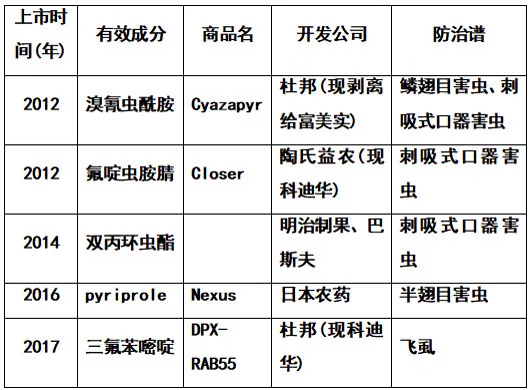
Several insecticides for controlling lepidopteran pests of rice have recently been launched, such as metaflumizone jointly developed by BASF and Nihon Nohyaku, flubendiamide jointly developed by Bayer and Nihon Nohyaku, and chlorantraniliprole and cyantraniliprole jointly developed by DuPont and Syngenta. Among them, cyantraniliprole can control both lepidopteran pests and piercing-sucking pests.
Table 5 Major rice insecticides launched recently
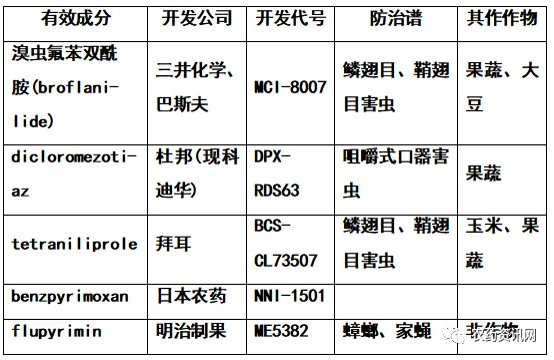
Several rice insecticides are also currently under development, such as broflanilide jointly developed by Mitsui Chemicals and BASF, DuPont's mesoionic insecticide dicloromezotiaz and Bayer's diamide insecticide tetraniliprole.
Table 6 Rice insecticides under development
4.5 Outlook for the rice insecticide market
According to Phillips McDougall's forecast, by 2021 sales of the rice insecticide market will reach US$2.019 billion, a compound annual growth rate of 3.6% over 2016-2021 (based on 2016 exchange rates).
5 Rice fungicide market
5.1 General overview
According to Phillips McDougall, in 2016 global sales of fungicides for rice were US$1.056 billion, up 1.6% year on year, with a compound annual growth rate of -1.2% over 2011-2016.
Japan is the world's largest rice fungicide market, with 2016 sales of US$238 million, 22.5% of the global rice fungicide market. It was followed in order by: China (US$170 million), India (US$136 million), Vietnam (US$90 million), South Korea (US$72 million), Thailand (US$32 million), the United States (US$25 million) and Europe (US$19 million).
In 2016, the top ten products in the rice fungicide market were: azoxystrobin, tricyclazole, difenoconazole, mancozeb, hexaconazole, isoprothiolane, probenazole, kasugamycin, propiconazole and tebuconazole.
In 2016, Asia accounted for 82.8% of the global rice fungicide market.
5.2 Main diseases on rice
Rice blast, sheath blight, damping-off, bakanae and stem rot are the main diseases on rice. In all rice-growing areas, rice blast and sheath blight are important diseases, while the importance of other diseases varies considerably with the growing region and cultivation method.
5.3 Major rice fungicide markets
5.3.1 Japan
In 2016, Japanese sales of rice fungicides were US$238 million, up 8.7% year on year.
In Japanese rice production, disease control is needed throughout the cycle. Damping-off affects plant growth and development by reducing photosynthesis, leading to rice lodging. Historically, hymexazol and chlorothalonil were used for soil treatment before transplanting; in recent years, apart from the ipconazole developed by Kureha, few new products have been launched.
Most new products have been launched for controlling rice blast; the market-leading products include: probenazole, isotianil, pyroquilon, fthalide, orysastrobin, tricyclazole and tiadinil. Systemic seedling-box treatments mixed with insecticides hold a leading position in the market. Leading products include: Dr.Oryze Ferterra (chlorantraniliprole + probenazole), Vget Ferterra (chlorantraniliprole + tiadinil), TwinTurbo Ferterra Box G (clothianidin + chlorantraniliprole + isotianil), Digital Coratop Aktara (thiamethoxam + pyroquilon), Arashi Dantotsu (clothianidin + orysastrobin), Arashi Prince (fipronil + orysastrobin) and Dr Oryzae Prince (probenazole + fipronil).
In Japan, new products for controlling rice blast keep being launched, such as Sumitomo Chemical's diclocymet, Nihon Nohyaku's fenoxanil and tiadinil, Bayer's prothioconazole, BASF's orysastrobin, Sumitomo Chemical's isotianil and Meiji Seika/Kumiai Chemical's tebufloquin.
In the past there were many new products for controlling sheath blight, especially azoxystrobin and orysastrobin; some specific products were also launched, such as Rohm and Haas's thifluzamide and Sumitomo Chemical's furametpyr. However, few new products have entered this market in recent years.
There are not many agents for controlling bakanae; azoxystrobin, orysastrobin, pefurazoate and triflumizole are the main products against bakanae.
5.3.2 China
In 2016, China's sales of rice fungicides were US$170 million, down 10.5% year on year. Leading products include: tricyclazole, azoxystrobin, isoprothiolane, hexaconazole, difenoconazole, prochloraz, hymexazol, kasugamycin, thiophanate-methyl and thifluzamide.
5.3.3 United States
In 2016, US sales of rice fungicides were US$25 million, up 8.7% year on year. Market-leading products include: azoxystrobin, propiconazole, trifloxystrobin, fluxapyroxad and tebuconazole.
5.4 R&D in rice fungicides
In recent years the market has witnessed many important advances in rice fungicides, such as the launch of strobilurin fungicides and the extension of the triazole fungicide product line.
In 2001, fenoxanil, jointly developed by Nihon Nohyaku and BASF, was launched to control leaf blast in seedling boxes. In 2002, Sankyo launched simeconazole to control sheath blight. In 2004, Bayer launched prothioconazole to control rice blast and sheath blight. In 2007, BASF launched orysastrobin to control rice blast and sheath blight. In 2010, isotianil, jointly developed by Bayer and Sumitomo Chemical, was launched to control rice blast. In 2012, Bayer launched the penflufen seed treatment for controlling rice sheath blight.
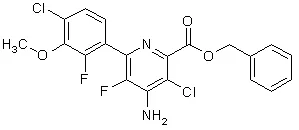
Figure 1 Structural formula of florpyrauxifen-benzyl
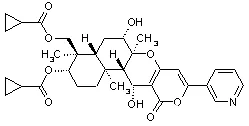
Figure 2 Structural formula of afidopyropen
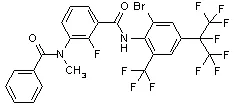
Figure 3 Structural formula of broflanilide
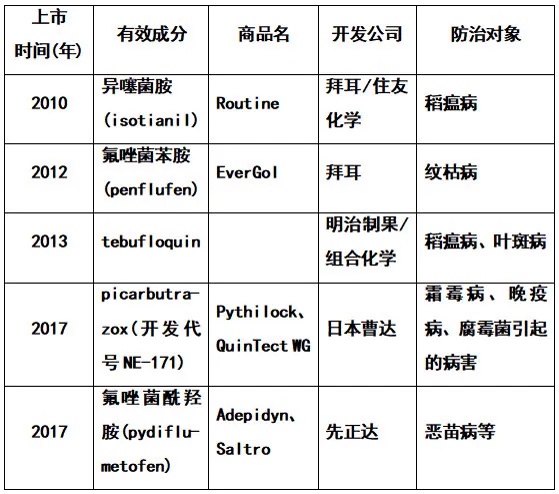
In 2017, Nippon Soda launched picarbutrazox in Japan, the only compound among the tetrazolyl-oxime fungicides, to control oomycete diseases. In 2018, Syngenta applied to register the seed treatment Saltro, based on pydiflumetofen, which provides excellent control of rice bakanae and other diseases and has plant-health effects.
Table 7 Major rice fungicides launched recently
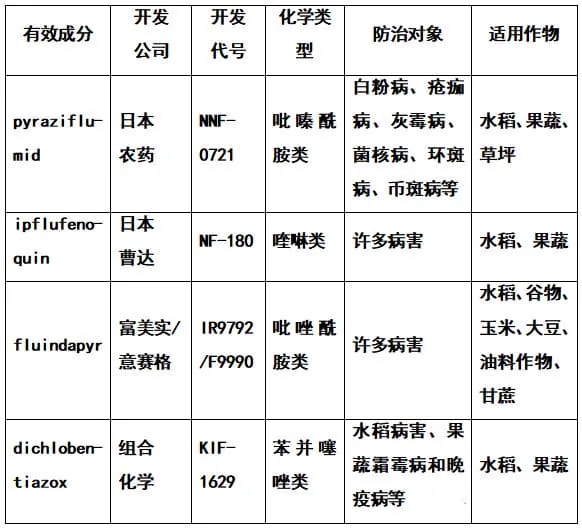
At present, several rice fungicides are also under development; they will become a new force in the rice fungicide market.
Table 8 Rice fungicides under development
5.5 Outlook for the rice fungicide market
According to Phillips McDougall, by 2021 global sales of the rice fungicide market will grow to US$1.343 billion, a compound annual growth rate of 4.9% over 2016-2021 (based on 2016 exchange rates).
6 Key products of focus on rice
Many pesticides are available for use on rice, and there are quite a few new and in-development products. The following gives a brief introduction to just a few relatively new products with larger markets.
6.1 Florpyrauxifen-benzyl
As the patent on penoxsulam expired, DowDuPont (now Corteva) promptly launched the rice herbicide Rinskor, based on florpyrauxifen-benzyl. With its very low application rate, rapid and thorough weed eradication, no cross-resistance with other herbicides, good crop tolerance and excellent toxicological and environmental toxicological profile, Rinskor is expected to become a leader of the future rice herbicide market.
Figure 1 Structural formula of florpyrauxifen-benzyl
Florpyrauxifen-benzyl is one of only two arylpicolinate herbicides in the world; it belongs to the earliest-developed class of selective herbicides, the "synthetic auxins". But unlike other synthetic auxin herbicides, florpyrauxifen-benzyl exerts its excellent product performance by binding tightly to the receptor AFB5.
Florpyrauxifen-benzyl is highly effective, broad-spectrum, systemic, rapid and thorough; it is applied post-emergence to foliage and can be used in rice and many other crops to control grass weeds, broadleaf weeds and sedges. Examples include grass weeds such as barnyardgrass, junglerice, rice barnyardgrass and Chinese sprangletop; broadleaf weeds such as velvetleaf, water plantain, amaranth, goosefoot, ragweed, false pimpernel, horseweed, Monochoria, arrowhead, ludwigia and cocklebur; and sedges such as smallflower umbrella sedge, rice flatsedge, yellow nutsedge, purple nutsedge and fimbristylis.
In 2016, Dow AgroSciences (now Corteva) obtained registration in China for 91.4% florpyrauxifen-benzyl technical and 3% florpyrauxifen-benzyl EC (trade name "Rinskor"). Currently registered products also include: 3% penoxsulam-florpyrauxifen-benzyl oil dispersion (1.9% penoxsulam + 1.1% florpyrauxifen-benzyl) and 13% cyhalofop-butyl-florpyrauxifen-benzyl EC (10.9% cyhalofop-butyl + 2.1% florpyrauxifen-benzyl).
Florpyrauxifen-benzyl has now been registered in countries including China, the United States, South Korea, Chile and Australia, and was first launched in China and the United States.
In early 2018, DowDuPont (now Corteva) forecast that the annual peak sales of florpyrauxifen-benzyl would exceed US$400 million.
6.2 Afidopyropen
Afidopyropen was first discovered by Dr. Satoshi Omura, winner of the 2015 Nobel Prize, and developed as a bio-based insecticide by the Kitasato Institute, to which he belongs, together with Meiji Seika of Japan; it has a unique pyropenes chemical structure and a novel mode of action.
Figure 2 Structural formula of afidopyropen
Afidopyropen causes insects to starve to death by interfering with their feeding and other behaviours. It is mainly used on rice, vegetables, fruit trees, other field crops and ornamental plants, effectively controlling piercing-sucking pests such as aphids, whiteflies, psyllids, scale insects, mealybugs and leafhoppers. It has a long residual effect and can be applied as a foliar treatment, seed treatment or soil treatment.
Afidopyropen is produced by fermentation of a natural fungus and is environmentally friendly; its acute toxicity to beneficial arthropods such as pollinators is low, and its toxicity to natural enemies of insects is small. Within hours of application, afidopyropen can stop insects from feeding, reducing crop nutrient loss and reducing insect-borne diseases.
The Insecticide Resistance Action Committee (IRAC) classifies afidopyropen as Group 9D; it is the only member of this group, and therefore has no cross-resistance with other insecticides.
In 2010, BASF reached an agreement with Meiji Seika to jointly develop afidopyropen. In 2018, BASF's afidopyropen was successfully registered and launched in Australia and India, and will also be registered in the United States, Canada, Mexico, China and Argentina.
6.3 Diamide insecticides
Chlorantraniliprole is the world's number one insecticide and the third-largest insecticide for rice. Precisely because of the inclusion of chlorantraniliprole, diamide insecticides have attracted much attention, becoming a new hotspot in the insecticide market after the neonicotinoids, especially in the control of lepidopteran pests and resistant pests.
"Diamide" is an important structural feature of this class of compounds, and ryanodine receptor modulators are their main mode of action. IRAC classifies ryanodine receptor modulators as Group 28. However, owing to changes in chemical structure, not all of these products are ryanodine receptor modulators. Flubendiamide, chlorantraniliprole and cyantraniliprole are ryanodine receptor modulators; it is reported that cyclaniliprole acts on a ryanodine receptor allosteric site; and the mode of action of broflanilide is clearly different. Precisely for this reason, diamide insecticides have built up diverse control spectra and resistance-management fields, enriching their target markets and making a large contribution to the rice insecticide market.
The top five diamide insecticides currently on the market had already achieved sales of nearly US$2 billion in 2016.
6.3.1 Chlorantraniliprole
Chlorantraniliprole was developed by DuPont (now Corteva) and is the most successful example among diamide insecticides. Launched in 2008, it is now sold in more than 100 countries, such as Brazil, China, India, the United States, Japan, Australia, Argentina, France, South Korea, Vietnam, Indonesia and Italy.
Chlorantraniliprole is highly effective and broad-spectrum; it can control most chewing pests, especially providing very good control of lepidopteran pests, and also has relatively high activity against some coleopteran, dipteran and isopteran pests. It is suitable for many uses including soybean, rice, cotton, maize, cereals, pome fruit, grapes, potato, sugarcane, sunflower, sugar beet, oilseed rape, other fruits and vegetables, and non-crop uses. It can be applied as a foliar treatment, seed treatment or soil treatment.
In 2017, because of the merger of Dow Chemical and DuPont, DuPont's two diamide insecticides (chlorantraniliprole and cyantraniliprole) were divested to FMC.
At present, 31 chlorantraniliprole products have been registered in China, including 4 technical materials. However, chlorantraniliprole is still a patent-protected product; on 12 August 2022, its compound patent in China (CN100391338C) expired.
In 2016, the global sales of chlorantraniliprole were US$1.365 billion, with a compound annual growth rate of 15.1% over 2011-2016.
Brazil is the number one country market for chlorantraniliprole, with 2016 sales of US$386 million, 28.3% of the global market. Chlorantraniliprole sales in China were US$132 million, 9.7% of the global market.
Rice is the second-largest application crop for chlorantraniliprole. In the rice insecticide market, chlorantraniliprole ranks third, with imidacloprid and chlorpyrifos in first and second place. The 2016 sales of these three products on rice were US$140 million, US$135 million and US$134 million respectively.
Although sales of chlorantraniliprole have declined somewhat in the past two years, this is mainly due to lighter pest outbreaks in Brazil. With its excellent product performance, continuously developed mixture formulations and steadily uncovered new markets (such as seed treatment and non-agricultural uses), its future market still has growth potential.
6.3.2 Cyantraniliprole
Cyantraniliprole is the second-generation ryanodine receptor modulator insecticide successfully developed by DuPont after chlorantraniliprole. On 20 January 2024, cyantraniliprole's compound patent in China (CN100441576C) will expire.
Cyantraniliprole is the first diamide compound with a cross-spectrum, controlling lepidopteran, hemipteran, coleopteran and dipteran pests. It is mainly used on maize, sugarcane, cotton, cereals, rice, fruit trees and vegetables, to control whiteflies, thrips, aphids, bugs, Liriomyza, beet armyworm, rice leaf folder, yellow stem borer, striped stem borer, fruit flies and beetles.
Cyantraniliprole has systemic, penetrating and translaminar activity and can be distributed throughout the whole plant. Crops treated with the pesticide grow vigorously with glossy leaves, and the occurrence of insect-borne diseases can be reduced, increasing crop yield. Cyantraniliprole is environmentally safe; the US Environmental Protection Agency registered it as a "low-risk" pesticide.
Cyantraniliprole was launched in 2012. Countries where it is now launched also include: Brazil, Canada, Japan, South Korea, Argentina, China, the United States, Colombia and Peru. In 2016, sales of cyantraniliprole were US$80 million, surging 77.8% year on year.
At present, cyantraniliprole's market on rice is still very small, sold mainly in Japan and China; in 2016 its sales in the two countries were US$2.04 million, only 2.6% of its global market.
The former DuPont was very optimistic about the market growth potential of cyantraniliprole; the company once forecast that sales of products based on cyantraniliprole could exceed US$1 billion.
6.3.3 Broflanilide
Figure 3 Structural formula of broflanilide
Broflanilide is a meta-diamide insecticide discovered by Mitsui Chemicals and jointly developed by Mitsui Chemicals and BASF; it is an allosteric modulator of the gamma-aminobutyric acid (GABA)-gated chloride channel. IRAC classifies it as Group 30; it is currently the only member of this group, and therefore has no cross-resistance with existing insecticides.
Broflanilide is mainly used on field and specialty crops such as rice, cereals, maize, fruit trees, vegetables, cotton and soybean, to control chewing pests (including lepidopteran and coleopteran pests); it has very high larvicidal activity against tobacco cutworm, and can effectively control pests that have developed resistance to other insecticides, especially those resistant to fipronil.
BASF has submitted registration dossiers for broflanilide to countries including the United States, Canada, Mexico, India and Australia; the product is expected to be launched in 2020.
6.4 Strobilurin fungicides
In 2016, the sales of strobilurin fungicides were US$3.396 billion, the highest among all fungicide classes. Among them, the sales of azoxystrobin, pyraclostrobin and trifloxystrobin all exceeded US$600 million.
Azoxystrobin not only ranks first in the global fungicide market but is also the number one product in the rice fungicide market. In 2016, the top three products in the rice fungicide market were, in order: azoxystrobin, tricyclazole and difenoconazole, with sales on rice of US$118 million, US$110 million and US$56 million respectively.
Led by azoxystrobin, strobilurin fungicides have more or less made their mark in the rice fungicide market and have relatively large growth potential in the future. Such fungicides are not only highly effective and broad-spectrum but also often have plant-health effects.
6.4.1 Azoxystrobin
Azoxystrobin was launched by Syngenta in 1997; it has protective, curative, eradicant, penetrant and systemic activity, and is suitable for more than 100 crops including soybean, cereals, rice, maize, potato, oilseed rape, cotton, grapes, sugar beet, pome fruit and sugarcane.
Azoxystrobin's commercial development has been very successful, not only because it is broad-spectrum and highly effective, but also because its use in multi-component mixtures has increased and it is often used as a seed treatment; in particular, its mixtures in recent years with the SDHI fungicides isopyrazam and benzovindiflupyr have strongly boosted its market share.
In 2016, the global sales of azoxystrobin were US$1.270 billion, down 2.7% year on year, with a compound annual growth rate of 0.4% over 2011-2016.
Azoxystrobin's market covers almost all major countries worldwide, such as Brazil, the United States, France, Argentina, India, Japan, China, Germany, Paraguay, Italy, Australia, the United Kingdom, South Korea, Canada and Vietnam.
Brazil is the largest country market for azoxystrobin, with 2016 sales of US$421 million, 33.1% of the global market. China ranks seventh, with 2016 sales of US$30.74 million, 2.4% of the global market.
Azoxystrobin is mainly used on rice in China; in 2016 its sales on rice were US$22.40 million, 72.9% of azoxystrobin's market in China. At present, 577 azoxystrobin products are registered in China, of which 172 are for use on rice, and market competition is extremely fierce.
6.4.2 Pyraclostrobin
Pyraclostrobin is regarded as the most active strobilurin fungicide on the market; it was launched by BASF in 2002. It is suitable for soybean, cereals, maize, pome fruit, grapes, potato, oilseed rape, sugar beet, cotton, sugarcane, rice and sunflower.
In 2016, BASF's 9% pyraclostrobin microcapsule suspension (trade name "Daoqing") obtained registration in China to control rice blast. The special processing technology of Daoqing is a major breakthrough by BASF, effectively avoiding the toxicity of pyraclostrobin to aquatic organisms. At present, 551 pyraclostrobin products are registered in China, but only 2 are registered for use on rice: BASF's Daoqing and the 9% pyraclostrobin microcapsule suspension of Qingdao Odessy Biological Technology Co., Ltd. of Shandong Province.
In 2016, the global sales of pyraclostrobin were US$765 million, down 10.0% year on year, with a compound annual growth rate of -0.6% over 2011-2016.
In 2016, pyraclostrobin's sales on rice were US$2.26 million, only 0.3% of the global market, mainly in Thailand (US$1.88 million).
Pyraclostrobin now covers many markets, such as Brazil, the United States, Canada, France, Argentina, China, the United Kingdom, Germany, South Korea, Bolivia, Paraguay, Italy, Denmark, Japan and Chile.
In the global market for pyraclostrobin, China ranks sixth, with sales of US$17.32 million, only 2.3% of the global market.
6.4.3 Trifloxystrobin
Trifloxystrobin was launched by Syngenta in 2000; in the same year it was acquired by Bayer. Over more than a decade, Bayer has built trifloxystrobin into the world's third-largest strobilurin fungicide.
Trifloxystrobin is also a product whose patent has expired, and other companies have joined in its market development. At present, 107 trifloxystrobin products are registered in China, of which 32 are for use on rice. Bayer has three trifloxystrobin products registered in China for use on rice, namely: Nativo (75% trifloxystrobin-tebuconazole water-dispersible granules; 25% trifloxystrobin + 50% tebuconazole), Rutian (24.1% trifloxystrobin-isotianil seed treatment suspension; 6.9% trifloxystrobin + 17.2% isotianil) and 30% trifloxystrobin-tebuconazole suspension (10% trifloxystrobin + 20% tebuconazole).
Nativo has now become an important member of the "Bayer More Rice" crop solution; it not only effectively controls rice blast, sheath blight and false smut, but also promotes the uptake of nitrogen and carbon by rice and improves crop stress resistance. Rutian has also joined the "Bayer More Rice" crop solution; trials show that Rutian combined with Gaucho (600 g/L imidacloprid suspension seed coating) used for seed dressing gives outstanding control of early rice pests and diseases.
Nativo is a brand product built by Bayer based on trifloxystrobin; it was first launched in Europe and Latin America in 2005, landed on the Chinese market in 2010, and has now been launched in more than 100 countries worldwide, with a cumulative treated area of over 3 billion mu-times.
In 2016, the global sales of trifloxystrobin were US$640 million, down 1.5% year on year, with a compound annual growth rate of 1.8% over 2011-2016.
Trifloxystrobin is mainly used on soybean, cereals, maize, rice, cotton, pome fruit, sugar beet, grapes, oilseed rape, sunflower and potato. In the global market for trifloxystrobin, rice ranks fifth, with sales of US$14.49 million, only 2.3% of the global market.
Trifloxystrobin is sold in many markets worldwide, such as Brazil, the United States, Argentina, China, France, Paraguay, Japan, the United Kingdom, South Korea, Vietnam, Bolivia, Germany and Canada.
In the global market for trifloxystrobin, China ranks fourth, with sales of US$22.83 million, 3.6% of trifloxystrobin's global market. Trifloxystrobin's sales in China come almost entirely from cereals; at present the originating company Bayer is vigorously promoting the use of trifloxystrobin on rice.
7 Conclusion
Japan, with a mere 1% of the rice planted area, vies for a 23.1% share of the rice pesticide market. Among this, rice herbicides and fungicides rank first among all countries. Japan's conduct in the rice pesticide market is worth studying and drawing lessons from by other rice-growing countries.
In Asia, rice is the main food crop. In 2016, the three major classes of pesticide on rice - herbicides, insecticides and fungicides - all had high weights in the Asian market: 74.0%, 91.1% and 82.8% respectively. Asia is not only a major consumer of the rice pesticide market but also the main force driving its development.
In short, for the global rice market, look to Asia; for the Asian market, look to Japan and China. Japan has often acted as the pioneer in launching new rice pesticides, and in recent years some new products have also had their first launch in China.However, the current Regulations on Pesticide Administration do not seem to encourage first registrations in China, but this does not prevent us from being at the forefront of attention to and R&D of new rice pesticides, grafting more good products and good product combinations into China's rice production and promoting the sustainable, healthy and green development of Chinese rice production.